Are there any special requirements for using a light bulb camera?
Are there any special requirements for using a light bulb camera?
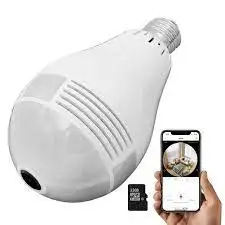
Light bulb cameras are becoming increasingly popular in households and offices due to their discreet design and easy installation. These cameras come in the form of regular light bulbs and can be installed in light fixtures in various areas of a property. They are essentially light bulbs that have a camera built into them, allowing users to monitor their property remotely via a smartphone or other device. However, before purchasing and using a light bulb camera, it is important to consider several factors to ensure that it is compatible with your needs and infrastructure. In this article, we will explore some of the special requirements for using a light bulb camera.
Wi-Fi Network
One of the primary requirements for using a light bulb camera is a stable Wi-Fi network. Because these cameras use Wi-Fi to transmit video and audio, a fast and reliable internet connection is essential. It is important to note that some light bulb cameras have specific requirements for Wi-Fi network frequency and signal strength, so it is important to check the product specifications before purchasing.
Power Source
Light bulb cameras require a power source to function, just like any other light bulb. Therefore, it is important to ensure that the light socket where the camera will be installed is connected to a power source. Additionally, some light bulb cameras may require specific voltage or wattage specifications, so it is important to check the product specifications before purchasing.
Compatibility
Before purchasing a light bulb camera, it is important to ensure that it is compatible with your current setup. Some light bulb cameras are designed to work with specific operating systems, such as Android or iOS. Additionally, some cameras may require a specific app or software to be installed on your device before they can be used.
Installation
Light bulb cameras are typically easy to install, but it is important to follow the manufacturer's instructions carefully. Some cameras may require additional hardware or tools for installation, while others may simply screw into an existing light socket. It is important to ensure that the camera is securely installed to prevent it from falling or rotating during use.
Storage
Another important consideration when using a light bulb camera is storage. Many cameras come with built-in storage or allow users to store video and audio data on a cloud server. However, it is important to ensure that the camera's storage capacity is sufficient to meet your needs. Additionally, some cameras may require a subscription service to access cloud-based storage, so it is important to check the product specifications before purchasing.
Privacy
Finally, it is important to consider the privacy implications of using a light bulb camera. Because these cameras record video and audio data, it is important to ensure that they are not installed in areas where privacy may be violated. Additionally, it is important to ensure that the camera's access is protected by a strong password and that all firmware and software updates are installed regularly to prevent security vulnerabilities.
In conclusion, using a light bulb camera requires meeting certain requirements, such as a stable Wi-Fi network, adequate power source, compatibility, proper installation, sufficient storage, and privacy. By meeting these requirements, you can ensure that your light bulb camera operates correctly and provides the intended surveillance solution.
.jpg)


评论
发表评论