Can a light bulb camera be used as a pet monitor?
Can a light bulb camera be used as a pet monitor?
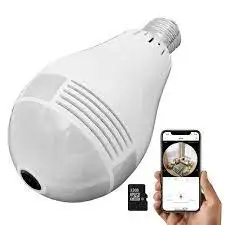
Yes, a light bulb camera can be used as a pet monitor. A light bulb camera is a versatile device that combines the functionality of a camera, a light bulb, and a speaker. These devices are becoming increasingly popular due to their ease of installation, discrete design, and wide range of features. However, the ability to use a light bulb camera as a pet monitor depends on several factors, including its resolution, audio quality, connectivity, and features.
Resolution
The resolution of a light bulb camera determines the quality of the video footage it captures. Higher resolution cameras provide clearer and more detailed footage, making it easier to monitor pets. Most light bulb cameras on the market today offer resolutions ranging from 720p to 1080p.
For use as a pet monitor, it is recommended to choose a light bulb camera with at least 1080p resolution. This ensures that the camera captures high-quality footage, even in low-light conditions. Higher resolution cameras are also more expensive, so it is essential to balance the price with the required features.
Audio Quality
The audio quality of a light bulb camera is another critical consideration when using it as a pet monitor. Good audio quality is essential to hear your pet's sounds clearly and to communicate with them.
Most light bulb cameras come with built-in speakers and microphones, which allow for two-way audio communication. However, the quality of the audio can vary depending on the camera's design and specifications. Some cameras offer advanced audio features such as noise cancellation, echo reduction, and voice enhancement, which can improve the audio quality.
Connectivity
The connectivity of a light bulb camera determines its ability to transmit and receive data over the internet. This is essential for remote viewing and monitoring, especially for using the camera as a pet monitor.
Most light bulb cameras come with built-in Wi-Fi connectivity, which allows them to connect to a wireless network for remote viewing and monitoring. However, Wi-Fi connectivity may be limited by the range and strength of the network signal. As a result, it is recommended to choose a camera with a strong Wi-Fi signal and secure encryption to prevent unauthorized access.
Another connectivity option is Bluetooth. Some light bulb cameras come with built-in Bluetooth connectivity, which allows them to connect to a mobile device such as a smartphone or tablet. This enables you to monitor your pet from anywhere with an internet connection.
Features
When using a light bulb camera as a pet monitor, there are certain features that are essential. These features can include:
Motion detection: This feature allows the camera to detect movement and send alerts to your mobile device. This is useful for monitoring your pet's movements and alerting you if they are in distress or need attention.
Night vision: This feature allows the camera to capture clear footage in low-light conditions, making it easier to monitor your pet at night.
Recording: Some light bulb cameras come with built-in recording capabilities, which enable you to record and save footage for later viewing.
App Integration: Most light bulb cameras come with a dedicated mobile app that allows you to monitor your pet from your smartphone or tablet. The app should be user-friendly and provide easy access to all of the camera's features.
Conclusion
In conclusion, a light bulb camera can be used as a pet monitor, provided it has the required features and specifications. The resolution, audio quality, connectivity, and features are all essential considerations when choosing a camera for pet monitoring. It is essential to choose a camera that meets the required specifications, install it correctly, and monitor it regularly to ensure reliable and effective monitoring. With the right camera and proper setup, you can enjoy the benefits of a light bulb camera as a pet monitor for your home.
.jpg)


评论
发表评论