Can a light bulb camera be used for 24/7 surveillance?
Can a light bulb camera be used for 24/7 surveillance?
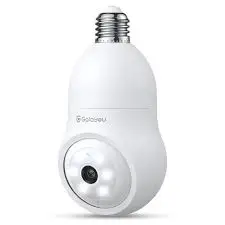
Yes, a light bulb camera can be used for 24/7 surveillance, provided it is designed and equipped to do so. Light bulb cameras are becoming increasingly popular due to their discreet design, ease of installation, and wide range of features. However, the ability to use a light bulb camera for 24/7 surveillance depends on several factors, including its resolution, storage capacity, power source, and connectivity.
Resolution
The resolution of a light bulb camera determines the quality of the video footage it captures. Higher resolution cameras provide clearer and more detailed footage, making it easier to identify people and objects. Most light bulb cameras on the market today offer resolutions ranging from 720p to 1080p.
For 24/7 surveillance, it is recommended to choose a light bulb camera with at least 1080p resolution. This ensures that the camera captures high-quality footage, even in low-light conditions. Higher resolution cameras are also more expensive, so it is essential to balance the price with the required features.
Storage Capacity
Storage capacity is another important consideration when choosing a light bulb camera for 24/7 surveillance. The amount of storage capacity required depends on the frequency and duration of the recording, as well as the resolution of the footage.
Most light bulb cameras come with built-in storage, generally ranging from 16GB to 128GB. This may be sufficient for short-term surveillance, but for 24/7 surveillance, it is recommended to use a camera with cloud storage or an external storage device.
Cloud storage offers unlimited storage capacity and is an excellent option for long-term surveillance. However, it may require a subscription fee, depending on the service provider. On the other hand, external storage devices such as microSD cards or hard drives are convenient and cost-effective solutions for storing large amounts of footage.
Power Source
The power source of a light bulb camera determines its ability to operate continuously for 24/7 surveillance. Most light bulb cameras are designed to be powered through a standard electrical outlet, while others are battery-powered.
Battery-powered cameras are convenient and easy to install, but they may not be suitable for 24/7 surveillance. Battery life varies depending on the camera's features and usage, and the battery may need to be changed frequently to ensure continuous operation.
Therefore, it is recommended to choose a light bulb camera that is designed to operate continuously from a standard electrical outlet. These cameras can be connected to a power source through a standard power cord or a power-over-ethernet (PoE) cable, depending on the design.
Connectivity
The connectivity of a light bulb camera determines its ability to transmit and receive data over the internet. This is essential for remote viewing and monitoring, especially for 24/7 surveillance.
Most light bulb cameras come with built-in Wi-Fi connectivity, which allows them to connect to a wireless network for remote viewing and monitoring. However, Wi-Fi connectivity may be limited by the range and strength of the network signal.
To ensure reliable connectivity, it is recommended to choose a light bulb camera with ethernet connectivity. Ethernet connectivity provides a stable and secure connection, allowing for seamless remote viewing and monitoring, even for extended periods.
In conclusion, a light bulb camera can be used for 24/7 surveillance, provided it is designed and equipped to do so. The resolution, storage capacity, power source, and connectivity are all essential considerations when choosing a camera for 24/7 surveillance. It is essential to choose a camera that meets the required specifications, install it correctly, and monitor it regularly to ensure reliable and effective surveillance. With the right camera and proper setup, you can enjoy the benefits of 24/7 light bulb camera surveillance for your home or office.
.jpg)


评论
发表评论