Can a light bulb camera be used outdoors?
Can a light bulb camera be used outdoors?
Light bulb cameras have become increasingly popular in recent years as a discreet way to monitor indoor spaces. However, many people wonder whether they can be used outdoors as well. The answer to this question is that it depends on the specific camera model and the environmental conditions in which it will be used. In this article, we will discuss the features of light bulb cameras and how they work, as well as the factors to consider when using them outdoors.
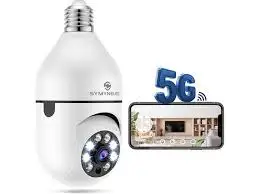
Light bulb cameras are designed to be installed in light fixtures, providing a discreet way to monitor a room. They are typically connected to the internet via Wi-Fi or Ethernet, and they can be accessed and controlled through a mobile app. Light bulb cameras are equipped with a camera lens that captures video footage of the room, and they may also have a built-in microphone to record audio. The video footage is transmitted to the cloud or a local storage device, where it can be accessed and reviewed as needed.
The first thing to consider when determining whether a light bulb camera can be used outdoors is its construction. Not all light bulb cameras are designed for outdoor use, and those that are typically have a rugged, weather-resistant construction. Outdoor light bulb cameras may be rated for water resistance, dust resistance, and temperature extremes. They may also have special features such as UV protection to prevent fading and cracking over time.
Another factor to consider when using a light bulb camera outdoors is its ability to handle different lighting conditions. Outdoor lighting can vary dramatically depending on the time of day, weather conditions, and surrounding environment. Some light bulb cameras may have built-in sensors that adjust the camera's exposure and white balance to compensate for changing lighting conditions. This can help ensure that the camera captures clear video footage even in challenging environments.
When using a light bulb camera outdoors, it is also important to consider the camera's field of view. Outdoor spaces may be larger and more complex than indoor spaces, and a camera with a narrow field of view may not be able to capture everything that is happening in the area. A camera with a wider field of view can help ensure that the entire outdoor space is covered and that there are no blind spots.
Another consideration when using a light bulb camera outdoors is its connectivity. Outdoor spaces may be further away from the home or office's Wi-Fi router than indoor spaces, which can impact the camera's ability to transmit video footage. If the camera is too far away from the router, the video may be choppy or may not transmit at all. In this case, it may be necessary to use a Wi-Fi extender or Ethernet cable to improve the camera's connectivity.
Finally, when using a light bulb camera outdoors, it is important to consider local regulations regarding surveillance cameras. Some jurisdictions may have specific rules and regulations regarding the use of cameras in public spaces. It is important to research these regulations before installing a light bulb camera outdoors to ensure that it is being used in compliance with local laws.
In summary, light bulb cameras can be used outdoors, but it depends on the specific camera model and the environmental conditions in which it will be used. Outdoor light bulb cameras typically have a rugged, weather-resistant construction and may have additional features such as UV protection and exposure sensors to handle changing lighting conditions. It is also important to consider the camera's field of view, connectivity, and local regulations when using it outdoors. With the right light bulb camera, you can create a discreet and effective surveillance system that helps you monitor your home or business both indoors and outdoors.
.jpg)


评论
发表评论