Can a wine aerator be used with all types of wine?
Can a wine aerator be used with all types of wine?
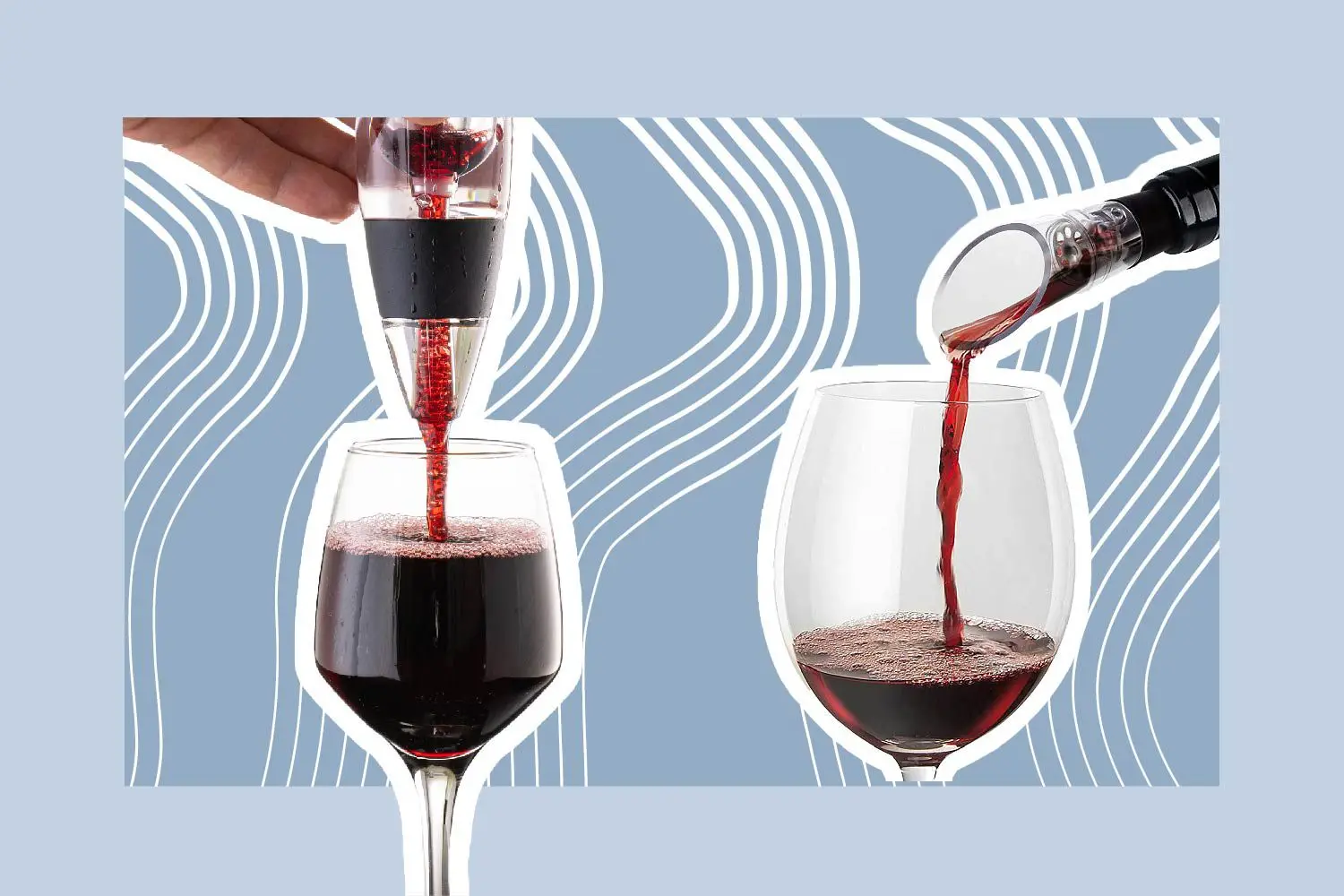
A wine aerator is a device that allows air to flow into the wine as it is being poured, which helps to enhance its flavor and aroma. The process of aerating wine involves exposing the wine to oxygen, which can help to soften the tannins and release the wine's aroma and flavor. Tannins are naturally occurring compounds found in the skins, stems, and seeds of grapes that are used to make wine. They contribute to the wine's structure, flavor, and mouthfeel, but they can also make the wine taste harsh and bitter when they are too strong. Aeration helps to break down the tannins, making the wine taste smoother and more enjoyable.
While many types of wine can be aerated, some wines benefit more than others from the process. Generally, wines that are high in tannins or that have been aged for a long time are the ones that benefit the most from aeration. This is because tannins can be quite harsh and can make the wine taste bitter or astringent. By aerating the wine, the tannins are softened, and the wine's flavor profile is enhanced.
Red wines are the most common type of wine that is aerated. These wines are typically high in tannins and can be quite harsh when they are first opened. By introducing oxygen into the wine, the tannins are softened, and the wine's flavor profile is enhanced. A wine aerator is an excellent tool for aerating red wines, as it allows the wine to be exposed to just the right amount of air, resulting in a smoother and more enjoyable wine. However, not all red wines benefit from aeration. For example, lighter-bodied red wines such as Pinot Noir may not require aeration as they do not have the same level of tannins as other red wines.
White wines are generally not aerated as they do not have the same level of tannins as red wines. However, some white wines can benefit from aeration, particularly those that have been aged in oak barrels. This is because the oak flavor can be quite strong and may overpower the wine's other flavors. By aerating the wine, the oak flavor is softened, and the wine's other flavors are allowed to shine through.
Sparkling wines, such as Champagne, should not be aerated as the carbonation in the wine is delicate and can be lost through the aeration process. Aeration can also cause the wine to become flat, which will ruin the taste and aroma of the wine. Therefore, it is recommended to serve sparkling wines straight from the bottle.
Overall, a wine aerator can be used with many types of wine, but not all wines will benefit from aeration. It is essential to consider the particular wine being served and determine whether or not it would benefit from aeration before utilizing a wine aerator.
Other factors to consider when using a wine aerator include the quality of the wine and the type of aerator being used. Using a high-quality wine aerator can make a significant difference in the wine's flavor and aroma. Additionally, it is essential to make sure that the wine is at the appropriate temperature before aerating it. This is because the temperature of the wine can affect how quickly it is aerated and can ultimately impact the flavor and aroma of the wine.
In conclusion, a wine aerator can be used with most types of wine, but not all wines will benefit from aeration. Red wines, particularly those high in tannins or that have been aged for a long time, are the most common type of wine that is aerated. White wines, particularly those that have been aged in oak barrels, can also benefit from aeration. However, sparkling wines should not be aerated as it can cause the wine to become flat and ruin its delicate carbonation. It is always recommended to research the particular wine being served and determine whether or not it would benefit from aeration before utilizing a wine aerator.
.jpg)


评论
发表评论