How does a fog machine generate fog?
How does a fog machine generate fog?
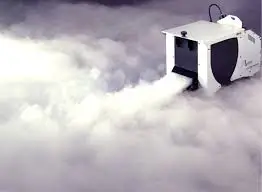
A fog machine is a device that produces a thick, low-lying mist or fog, which is commonly used in various settings, such as in theaters, concerts, music videos, stage productions, and Halloween parties. A fog machine operates by heating up a fluid or a solid, which then turns into a visible mist or fog. In this article, we will discuss the different types of fog machines, the principles behind how they work, and the various factors that can affect the quality and density of the fog they produce.
Types of Fog Machines
There are two main types of fog machines: water-based and dry-ice machines. Water-based fog machines are the most common type and are often used in entertainment and industrial applications. On the other hand, dry-ice machines use solid carbon dioxide (CO2) to create fog and are typically used in theatrical productions.
Water-Based Fog Machines
Water-based fog machines work by heating up a solution that contains water, glycol, and other chemicals, which is then vaporized to create a visible fog. The solution is pumped into a heating element, where it is heated to a high temperature. The heat causes the solution to vaporize and turn into a fog, which is then expelled from the machine through a nozzle or other opening.
The chemicals used in fog fluid vary depending on the type of fog machine and the desired effect. Glycerin, for example, is often used in fog fluids because it is non-toxic and produces a dense, long-lasting fog. Propylene glycol is another common chemical used in fog fluids because it is less likely to irritate the eyes and skin than glycerin.
Dry-Ice Fog Machines
Dry-ice fog machines work on a different principle than water-based fog machines. Instead of heating up a liquid solution, they use solid carbon dioxide (CO2) pellets, which are heated to create a thick, low-lying fog. The pellets are loaded into a tank inside the machine, which is heated to a high temperature. As the pellets heat up, they begin to vaporize and turn into a dense fog. The fog is then expelled from the machine through a nozzle or other opening.
Dry-ice fog machines are often used in theatrical productions because they produce a thick, low-lying fog that can create a spooky, eerie effect. The fog is also cooler than the fog produced by water-based machines, which can be useful in certain applications.
Principles Behind How Fog Machines Work
Regardless of the type of fog machine, the process of creating fog involves heating up a solution or a solid, causing it to vaporize and produce a visible mist or fog. The basic principle behind this process is that the heated material creates a vapor that is cooler than the surrounding air, causing it to condense and form a visible fog.
In water-based fog machines, the fluid is heated to a temperature that is high enough to vaporize it but not high enough to cause it to combust. As the fluid vaporizes, it expands and cools, which causes it to condense into a visible fog. The fog is then expelled from the machine through a nozzle or other opening, which can be adjusted to control the density and direction of the fog.
In dry-ice fog machines, the solid carbon dioxide pellets are heated to a temperature that causes them to sublimate, or turn directly from a solid to a gas. The gas that is produced is cooler than the surrounding air, causing it to condense and form a visible fog. The fog is then expelled from the machine through a nozzle or other opening, which can be adjusted to control the density and direction of the fog.
Factors That Affect the Quality and Density of the Fog
Several factors can affect the quality and density of the fog produced by a fog machine. These include the temperature of the fluid or solid, the amount of fluid or solid used, and the humidity and temperature of the surrounding environment.
Temperature: A higher temperature will produce a denser, thicker fog, while a lower temperature will produce a lighter, less dense fog. However, if the temperature is too high, the fluid or solid can combust, which can be dangerous.
Amount of Fluid or Solid: Using more fluid or solid can increase the density of the fog. However, using too much can cause the fog to become too thick and obscure the view of the audience.
Humidity and Temperature of the Environment: The humidity and temperature of the surrounding environment can also affect the density and longevity of the fog. Higher humidity and temperature levels reduce the density and longevity of the fog.
.jpg)


评论
发表评论