How secure is a light bulb camera?
How secure is a light bulb camera?
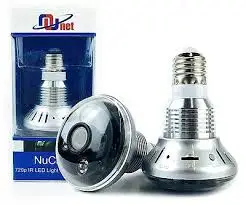
Light bulb cameras are becoming increasingly popular due to their discreet design, ease of installation, and wide range of features. However, the security of these cameras is a common concern, especially with the rise of cyber threats and hacking incidents. In this article, we will explore the security of light bulb cameras and the measures that can be taken to ensure their safety.
Encryption
Encryption is one of the primary methods used to secure light bulb cameras. It involves converting data into a code that is unreadable without a decryption key. Light bulb cameras use encryption to secure the video footage they capture and transmit over the internet. This prevents unauthorized access to the captured content, ensuring that it remains confidential.
The most commonly used encryption protocol for light bulb cameras is the Advanced Encryption Standard (AES). This protocol is highly secure and widely adopted, making it an ideal choice for securing light bulb cameras. AES encryption ensures that the captured video footage is protected from unauthorized access, even if the camera is compromised.
Authentication
Authentication is another crucial aspect of light bulb camera security. Authentication involves verifying the identity of a user or device before granting access to the camera or video footage. Light bulb cameras use various authentication methods, including passwords, fingerprints, and facial recognition. These methods ensure that only authorized users can access the camera or view the captured video footage.
Password protection is the most common form of authentication used by light bulb cameras. It involves setting a password to access the camera or the video footage. Users are required to enter the password to access the camera or view the video footage. Passwords should be complex, and users should avoid using easily guessable passwords such as "password" or "123456."
Facial recognition is an advanced authentication method that uses artificial intelligence to verify the identity of a user. This method is highly accurate and secure, as it requires the presence of the authorized person in front of the camera to grant access.
Firmware Updates
Firmware updates are essential to maintaining the security of light bulb cameras. Firmware is the software that controls the camera's operation and features. Manufacturers release firmware updates periodically to fix bugs and address security vulnerabilities. These updates should be installed as soon as they become available to ensure that the camera remains secure.
Failure to update the firmware of a light bulb camera can leave it vulnerable to cyber-attacks, such as hacking and malware infections. Hackers can exploit security vulnerabilities in outdated firmware to gain access to the camera or the captured video footage. Therefore, it is essential to keep the firmware of your light bulb camera up to date.
Physical Security
Physical security is an often-overlooked aspect of light bulb camera security. It involves securing the camera physically to prevent unauthorized access. Light bulb cameras should be installed in secure locations, such as indoors or in areas that are not accessible to the public.
Light bulb cameras should also be installed using secure mounting hardware to prevent tampering or removal. Mounting hardware includes screws, brackets, and clamps. These should be tightened securely to prevent the camera from being dislodged or removed.
In conclusion, light bulb cameras are a secure way to monitor your home or office, provided they are installed correctly and maintained appropriately. Encryption, authentication, firmware updates, and physical security are all essential aspects of light bulb camera security. It is essential to choose a reputable manufacturer, install the camera correctly, and keep the firmware up to date. By following these measures, you can ensure that your light bulb camera remains secure and provides reliable surveillance of your home or office.
.jpg)


评论
发表评论