Is there a difference between a handheld and a stand-alone wine aerator?
Is there a difference between a handheld and a stand-alone wine aerator?
Wine enthusiasts and connoisseurs are always looking for ways to improve their wine tasting experience. One of the ways to accomplish this is through the use of wine aerators. Wine aerators work by increasing the amount of oxygen that comes in contact with the wine, which helps to soften the tannins and develop the rich flavors and aromas of the wine. There are two main types of wine aerators- handheld and stand-alone, and while they both serve the same purpose, there are differences between them. In this article, we will explore the differences between handheld and stand-alone wine aerators.
Handheld Wine Aerators
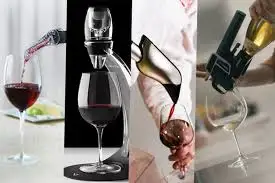
Handheld wine aerators are smaller and more compact than their stand-alone counterparts, making them convenient to carry around with you. They are typically made of plastic, metal, or glass, and feature a pouring spout to allow you to pour the wine through the aerator. Handheld wine aerators are also relatively inexpensive compared to stand-alone wine aerators.
One of the main benefits of using a handheld wine aerator is the convenience they offer. They are easy to use, and you can use them to aerate wine on the go. Handheld wine aerators are also easy to clean, as they are small and do not require any special cleaning tools. Additionally, they are more affordable than stand-alone wine aerators, making them a great option for wine lovers on a budget.
However, handheld wine aerators have one main disadvantage - they are not as effective as stand-alone wine aerators. Since they are smaller, they do not expose the wine to as much air as a stand-alone wine aerator would. This means that the amount of oxygen that the wine is exposed to is limited, and the aeration process is not as thorough. And they can only aerate a small amount of wine at a time. They may not be suitable for larger gatherings, where multiple bottles of wine need to be aerated.
Stand-alone Wine Aerators
Stand-alone wine aerators are larger, more sophisticated devices that are designed to sit on a table or countertop. They are typically made of glass or plastic and feature a wide base that sits on the table, a pouring spout, and an aerating chamber. Stand-alone wine aerators are also more expensive than handheld wine aerators.stand-alone wine aerators is their ability to aerate a larger amount of wine at once. They can be used for multiple bottles of wine and can easily accommodate guests at larger gatherings.
The main advantage of using a stand-alone wine aerator is the effectiveness of the aeration process. Since the wine is exposed to a larger amount of air, the flavors, and aromas are more pronounced. Stand-alone wine aerators are also designed to be more efficient than handheld wine aerators, so the aeration process is faster.
The main disadvantage of stand-alone wine aerators is the price. They are more expensive than handheld wine aerators, and they also require more maintenance. Since stand-alone wine aerators are larger, they can be more challenging to clean, and they may require specialized cleaning tools.
Conclusion
In conclusion, both handheld and stand-alone wine aerators are great tools for enhancing the flavor and aroma of wine. Handheld wine aerators are more convenient and affordable, while stand-alone wine aerators are more effective and efficient. Ultimately, the choice between a handheld and stand-alone wine aerator comes down to personal preference and budget. If you are looking for a quick and easy way to aerate your wine, a handheld wine aerator may be the best option for you. However, if you are looking for a more sophisticated tool that can aerate wine effectively and efficiently, a stand-alone wine aerator may be a better choice.
.jpg)


评论
发表评论