What is the difference between a fog machine and a hazer?
What is the difference between a fog machine and a hazer?
Fog machines and hazers are two types of machines commonly used in the entertainment industry to create atmospheric effects. While they may seem similar, there are some significant differences between the two. In this article, we will explore the differences between fog machines and hazers.
Fog Machines
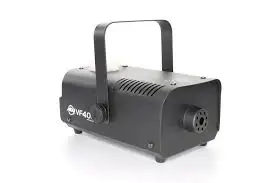
A fog machine is a device that produces a thick, visible fog by heating or atomizing a fluid, usually a water-based glycol mixture. The fluid is heated in a heating chamber until it reaches a boiling point, and then it is expelled into the air through a nozzle. The hot fluid mixes with the cooler air, creating a dense fog that is often used to create spooky or dramatic effects in theatrical productions or events.
Fog machines come in various sizes, from small portable models for home use to large industrial models used in concert tours and other major events. They can create a dense fog that is ideal for creating a spooky atmosphere or for hiding actors or props on stage. The fog usually dissipates quickly, and it is safe to breathe as long as the fluid used is non-toxic and the machine is used correctly.
Hazers
A hazer, on the other hand, is a machine that produces a fine, almost invisible mist that can linger in the air for longer periods than a fog machine. Rather than heating the fluid, a hazer uses a high-pressure pump to force the fluid through a small nozzle, which breaks it up into tiny particles that remain suspended in the air. The particles are so small that they are not visible to the naked eye, but they can reflect light to create a subtle, hazy effect.
Hazers are commonly used in concert lighting and film or television production to create a soft, diffused light that can provide depth and dimension to the scene. They are also used in theaters to create a subtle, atmospheric effect without distracting from the performance. Because the particles in the mist are so small, they do not settle on surfaces or cause any noticeable residue, making it safe to use in all kinds of environments.
Differences Between Fog Machines and Hazers
One of the most significant differences between fog machines and hazers is the visual effect they create. Fog machines produce a thick, visible fog that can obscure vision and create a spooky or dramatic atmosphere. Hazers, on the other hand, produce a fine, almost invisible mist that can enhance the lighting and create a subtle, atmospheric effect.
Another difference between the two is the duration of the effect. Fog generated by a fog machine dissipates quickly, usually within a few minutes, while the mist produced by a hazer can linger in the air for hours, depending on the machine's power and the fluid used.
The size and portability of fog machines and hazers also differ. Fog machines come in various sizes, from small, portable models for home use to large, industrial models used in concerts and other major events. Hazers are usually smaller and more portable, making them ideal for use in smaller venues or in film and television production.
Finally, the fluid used in fog machines and hazers is different. Fog machines usually use a water-based glycol mixture, while hazers use a specialized fluid that is designed to produce a fine, almost invisible mist without leaving any residue.
In conclusion, while both fog machines and hazers are used to create atmospheric effects, there are significant differences between the two. Fog machines produce a visible fog that quickly dissipates, while hazers produce a fine, almost invisible mist that can linger in the air for hours. Fog machines are ideal for creating a spooky or dramatic effect, while hazers are ideal for enhancing lighting and creating a subtle, atmospheric effect. Understanding the differences between the two can help you choose the right machine for your needs and create the perfect atmosphere for your event or production.
.jpg)


评论
发表评论