What is a wine aerator?
What is a wine aerator?
A wine aerator is a device that is designed to refine and elevate the taste and aroma of wine by introducing oxygen to it, thereby enhancing its flavor profile, texture, and bouquet. This process of aeration is achieved by exposing the wine to air, which unlocks the full potential of the wine and amplifies its inherent qualities. The aeration process can be accomplished by utilizing various methods such as decanting, swirling or using a wine aerator. They offer an alternative to swirling, traditional decanting, and to aldouze (i.e. to wait for wine to breathe). Purpose-built wine aerators became fashionable among enthusiasts by around 2010.
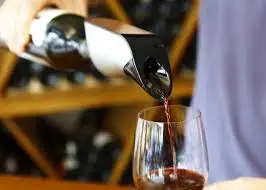
Essentially, a wine aerator is a small apparatus that is attached to the opening of the wine bottle or placed directly into the glass. The wine is then poured through the aerator, which utilizes small openings and air holes to mix air into the wine, allowing it to breathe and awaken its full flavor. By introducing oxygen into the wine, the tannins are softened, and the wine's aroma is intensified, leading to a more pleasant and balanced taste.
There are a number of styles of wine aerators and approaches to accomplish aeration. While injection-style hand-held acrylic aerators are currently most common, in-bottle and decanter top aerators are also available. Sieve-style decanter top funnels have long been used for aeration and catching sediment. Aerators are made from food-safe plastic or glass, and decanter top aerators are commonly stainless steel.
One of the primary benefits of using a wine aerator is that it can help to improve the taste of wine, particularly for younger, bolder wines that may have high levels of tannins. By softening these tannins, aeration can help to create a smoother, more balanced flavor profile. Additionally, aeration can help to bring out the natural aromas and flavors of the wine, which can be particularly beneficial for more complex or nuanced wines.
Another benefit of using a wine aerator is that it can help to speed up the aeration process, which can be particularly useful for individuals who do not have the time or inclination to wait for a wine to fully aerate. While decanting and swirling can take several hours, using a wine aerator can achieve the same results in just a few minutes.
It is important to note that not all wines require aeration, and some wines may even lose their flavor and aroma if aerated. For instance, older, more delicate wines may not require aeration, as they may already have a softer and more refined flavor profile. Similarly, certain white wines, such as Sauvignon Blanc, may not benefit from aeration due to their lighter and more straightforward character.
When choosing a wine aerator, it is important to consider several factors. First, it is essential to choose a well-made and sturdy device that will not break or malfunction easily, as a poorly designed aerator can be ineffective and potentially ruin the wine's flavor. Additionally, it is important to consider the size and shape of the device, as some wine aerators may be more suited to certain types of wine bottles or glasses.
In conclusion, a wine aerator is a highly effective tool that can enhance the flavor and aroma of wine by introducing oxygen to it. Aeration is especially beneficial to young, bold wines with high tannins, as it softens the tannins and unlocks the full aroma and flavor profile. However, not all wines require aeration, and some may even be negatively affected by it. When selecting a wine aerator, it is crucial to choose a well-designed and durable device that is suited to the specific wine being served.
.jpg)


评论
发表评论